Anticipating system upgrades is one of the more prevalent engineering challenges in embedded computing design. Although roadmaps can provide a strategic path to move legacy systems into more modern architectures, there is still the reality of the practical application of system enhancements.
With artificial intelligence (AI), sensor fusion, high-speed networking and edge processing making large strides and reshaping embedded computing, system architects face a fundamental question: How do you design for workloads that don't yet exist?
For aerospace, defense, industrial automation and other mission-critical applications that remain in service for decades, this question carries significant implications. Here we examine five lessons learned in transitioning from legacy architectures to modern, modular computing platforms.
By balancing current performance requirements with future adaptability, engineers can use these scenarios to make better design decisions today, while mitigating the cost and complexity of future upgrades. (Figure 1)
Lesson 1: Design for Change, Not Only Current Requirements

Historically, embedded systems embraced tightly defined, proprietary architectures. Processing resources, I/O interfaces and communication pathways were selected to support a particular application, with relatively little consideration for future expansion, which worked fine when operational requirements were more predictable and technology evolved more slowly.
Today’s emerging processing requirements and anticipated functionality have fundamentally changed how a system processes, moves and stores information. This directly impacts how older systems need to operate within a new technological landscape.
For example, AI-enabled processing at the edge requires substantially greater computational density, higher memory bandwidth and faster communication between processing elements than what previous systems were equipped to handle.
Systems only optimized for the original workload may lack the flexibility to accommodate modern demands without extensive redesign. In the case of a defense surveillance platform originally designed to collect and transmit sensor data for centralized analysis how an engineer implements AI level data processing within that system may require specialized rearchitecting.
The lesson: Future-ready systems should balance scalability and modularity with immediate performance needs.
Lesson 2: Open Standards Create Options
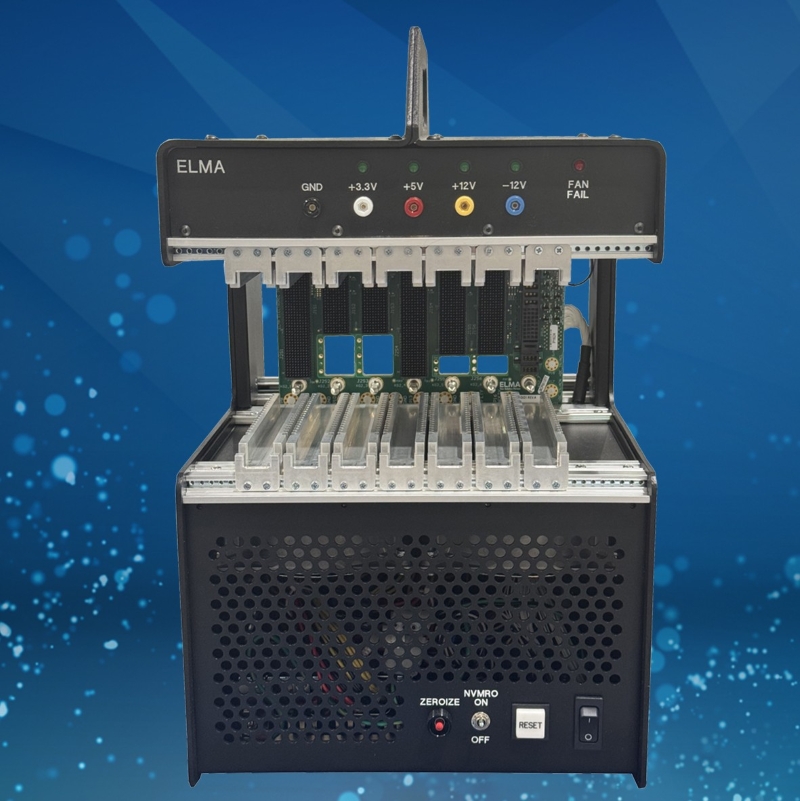
Open standards-based architectures have enabled some of the most prolific developments in embedded computing, dramatically reducing much of the re-engineering associated with system upgrades.
Standards such as VITA 46 (VPX) and VITA 65 (OpenVPX)\ have helped establish common mechanical, electrical and architectural frameworks for modular embedded computing. Initiatives such as the Sensor Open Systems Architecture (SOSA) Technical Standard further promote interoperability and hardware reuse across defense applications.
As testament, these standards work together to build an even more solid ecosystem that fuels innovation and rapid technology insertion. Backplane profiles, slot configurations, power requirements, cooling methods and high-speed signal compatibility evaluated at the system level means better overall integration results.
System designers can evaluate processing, networking and I/O technologies from multiple suppliers rather than committing to a single proprietary ecosystem and quickly implement integrated systems with best-in-class technologies. (Figure 2)
The lesson: Open standards provide the foundation for adaptability, and system-level engineering helps put integrated systems into practice.
Lesson 3: Ensure Data Doesn’t Become Your Bottleneck
Faster CPUs, GPUs and FPGA-based accelerators promise substantial improvements in computational performance. Yet greater processing capacity does not automatically translate into better overall system performance if there is no way to manage the influx of data.
Transitioning from older parallel-bus architectures to switched serial fabrics such as PCI Express and Ethernet enables substantially higher data rates and more flexible communication topologies. This presents a challenge for some legacy communication architectures as more data moves between boards, storage devices and external interfaces.
So how should these new topologies managed?
Ethernet switch configurations must align with backplane connectivity. Signal integrity becomes increasingly important at higher transmission speeds. Network segmentation, latency and traffic prioritization may influence whether a system can support time-sensitive workloads.
The lesson: Treat data movement as a primary architectural consideration rather than a secondary consequence of processor selection.
Lesson 4: Physical Infrastructure Determines Upgrade Potential
A limiting factor in legacy modernization isn't necessarily the processing technology, but the infrastructure surrounding it.
Newer computing modules demand greater power, generate more heat or require additional high-speed connections. Existing chassis, backplanes and cooling systems may not have sufficient capacity to accommodate those changes.
Replacing an older processing module with a higher-performance alternative may appear straightforward. But when the increased thermal load then exceeds the enclosure's cooling capability, failure is sure to follow. Similarly, existing rear-transition modules, connectors or cable routing may not accommodate a new, higher-speed optical or RF interface.
Evaluating the entire system architecture early in the design process will help mitigate some of these design challenges and ensure an smoother upgrade path.
The lesson: Mechanical, thermal, power and interconnect planning are as essential as packaging design when evaluating future scalability.
Lesson 5: Preserve the Right Aspects of Legacy Systems
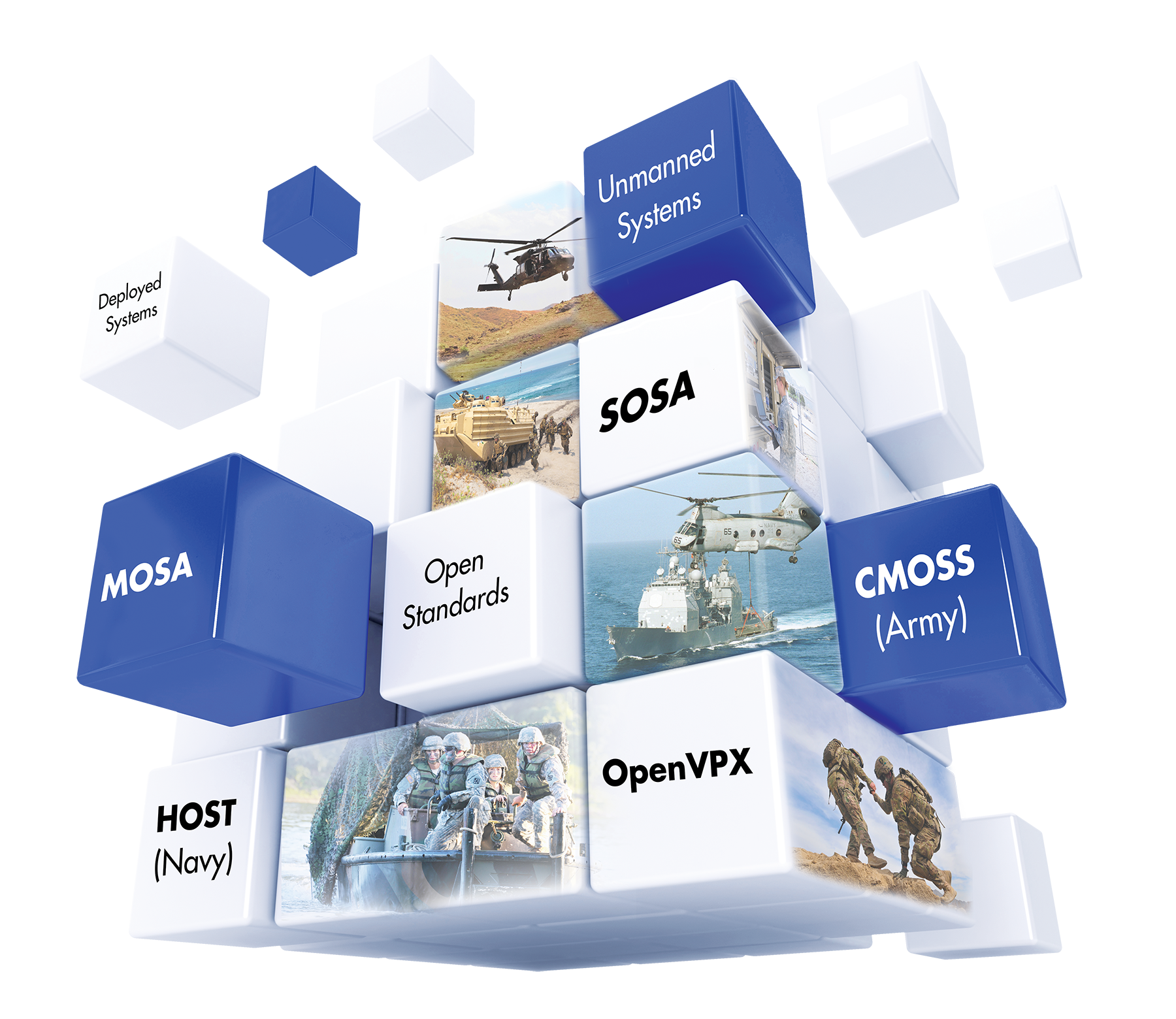
Many deployed systems contain proven hardware, software and interfaces that continue to perform their intended functions reliably, even when facing a system upgrade. Incremental modernization allows system designers to manage technical risk and redevelopment costs.
Plus, complex upgrades can also trigger extensive requalification requirements, versus a manage approach that incorporates a modular system upgrade philosophy.
Modular architectures allow organizations to introduce newer processing technologies, expand networking capabilities and update specific I/O functions, while preserving other system functionality that is still on par with application requirements. (Figure 3)
Successfully understanding the dependencies between components is key to incrementally modernizing an embedded system. Firmware, operating systems, device drivers and application software must also be evaluated along with hardware requirements.
The lesson: A well-designed modernization strategy should preserve what still works, while creating clearly defined pathways for adopting new capabilities.
Engineering Flexibility into the Future
Designing for unknown workloads doesn't mean predicting every future application. It means recognizing where uncertainty exists and creating an architecture capable of accommodating change. This spans from balancing modularity, interoperability, processing and bandwidth to the mapping the physical infrastructure against real-world constraints such as cost, reliability and qualification requirements.
At Elma Electronic, our decades of system integration experience in embedded computing, backplane design, and rugged enclosures results in systems designed for long-term adaptability based on decisions made at the system architecture level.
By combining expertise in open standards, high-speed interconnects, and thermal management, system designers can navigate the transition from legacy platforms to modern embedded computing architectures without losing sight of operational requirements.
The goal isn't simply to build a faster system. Today’s embedded architects need a reliable, adaptable system foundation that will incorporate new technologies, mission requirements and computational workloads as they emerge.

