Aufrechterhaltung der Funktionsfähigkeit eingebetteter Systeme durch eine ordnungsgemäß implementierte Fahrgestell Ein Managementsystem ist ein wichtiger Bestandteil unternehmenskritischer Abläufe, unabhängig von der Architektur, Konfiguration oder Plattform einer bestimmten Anwendung. Bei richtiger Anwendung erhöht das Gehäusemanagement die Zuverlässigkeit und Lebensdauer eines Systems erheblich, da es eine Vielzahl datengestützter Einblicke in den Zustand Ihres Systems bietet.
Die Anwendung des Chassis-Managements auf verschiedenen Systemen weist jedoch Nuancen auf. Beispielsweise basiert der SOSA Chassis Manager auf dem ANSI/VITA-Standard 46.11-2022 „System Management on VPX“ und ermöglicht so die Fernüberwachung der Systemhardware in Echtzeit, indem er eine Schnittstelle zu den Ressourcen im Gehäuse herstellt und diese steuert.
So setzt SOSA VITA 46.11 ein
Es ist wichtig zu beachten, dass SOSA einen bestimmten architektonischen Ansatz für die Implementierung des Gehäusemanagements innerhalb des VPX-Standards klarstellt, wobei insbesondere die VITA 46.11-Systemverwaltungsdefinitionen genutzt werden. Es definiert kein benutzerdefiniertes Rahmenwerk für die Gehäuseverwaltung.
VITA 46.11 selbst ist ein umfangreiches Dokument mit vielen Optionen, aber SOSA war umfassender, als es definierte, für welche VITA 46.11-Funktionen ein Chassis Manager oder eine Plug-in-Karte (PIC) Intelligent Platform Management Controller (IPMC) erforderlich ist, um sie zu unterstützen. Es beschreibt eine umfangreiche Liste obligatorischer Befehle, zu denen Tier-1, Tier-2 und Tier-3 gehören, und dass weitere Befehle sowohl von PIC-IPMCs als auch von Chassis Manager-Hardware unterstützt werden, um an SOSA angepasst zu werden.
SOSA definiert aus demselben Grund, welche Optionen für PICs, IPMCs und Chassis Manager-Hardware obligatorisch sind. Es identifiziert auch Anomalien und ergreift Korrekturmaßnahmen in Systemen, die entwickelt wurden, um den heutigen Interoperabilitätsinitiativen zu entsprechen, wie sie vom Verteidigungsministerium in der Modularer offener Systemansatz (MOSA) zum Beispiel.
Jeder Teil von VITA 46.11, der von SOSA verwendet wird, entspricht den Prinzipien der Interoperabilität, Austauschbarkeit und einfachen Integration, die einen modularen Systemansatz unterstützen. Bei Funktionen, die auf verschiedene Arten verwendet werden können, schränkt dies die Art und Weise ein, wie SOSA-Systeme sie verwenden, um gemeinsame Implementierungen zu erleichtern.
Flexible Implementierung
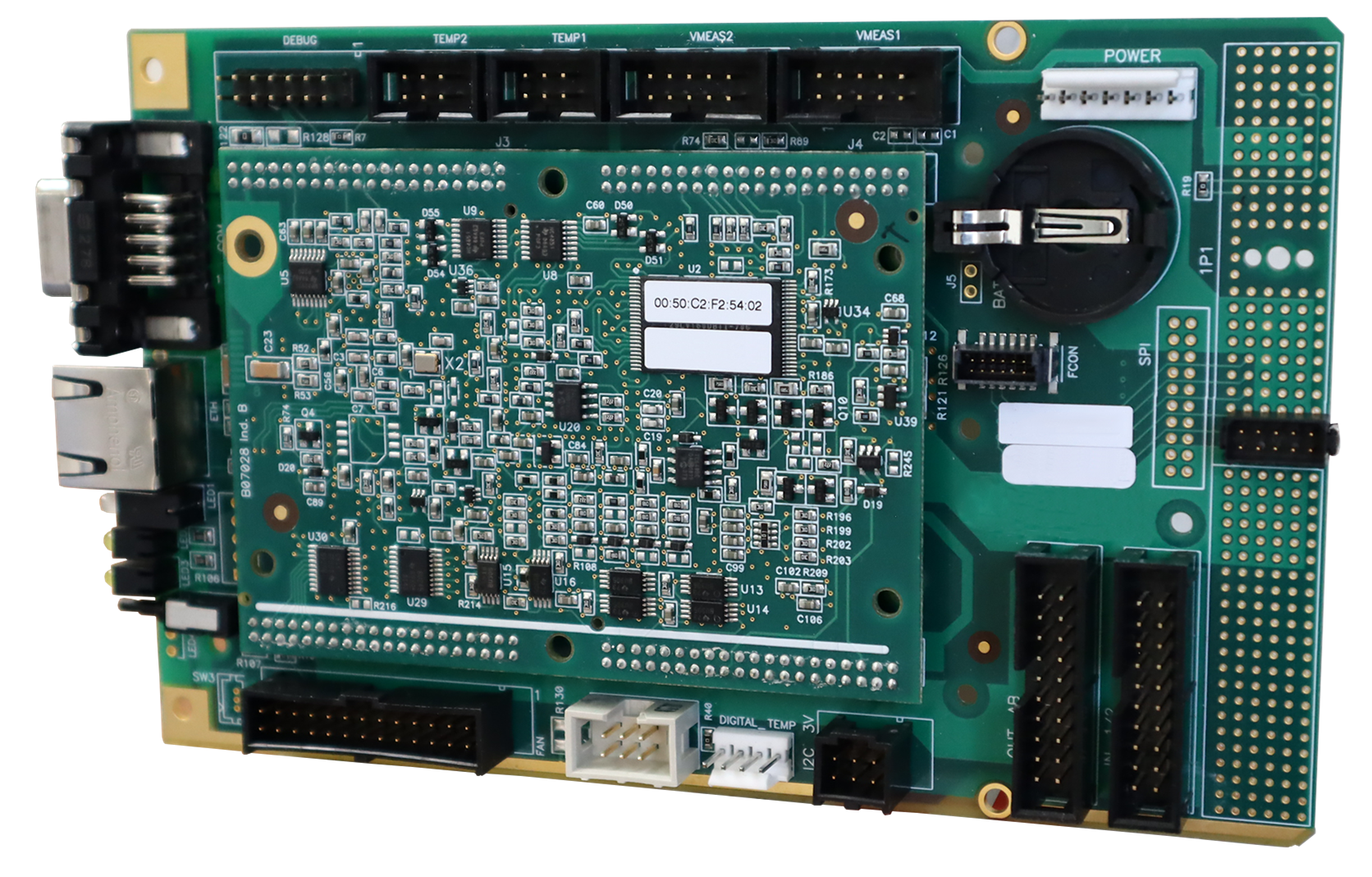
Über eine kostengünstige und stromsparende Chassis-Management-Controller-Karte kann der Chassis Manager direkt auf einem PIC über einen Systemsteckplatz, auf einem PIC, der andere Funktionen ausführt, als eigenständige Karte, die über Kabel mit der Backplane verbunden ist, oder sogar über eine Mezzanine auf der Backplane implementiert werden. SOSA spezifiziert nicht, wie der Chassis Manager implementiert wird, solange die Schnittstellen und Funktionen dem Standard entsprechen.
Um die Benutzeroberfläche zu vereinfachen und die Systemkommunikation und -steuerung zu verbessern, hat SOSA eine RESTful-Schnittstelle als Teil des SOSA-In-Band-Systemmanagements definiert. Bisher verwendete jeder Anbieter eine andere Benutzeroberfläche, um seine VITA 46.11 Chassis Manager abzufragen und zu steuern. (Abb. 1)
Sicheres und zuverlässiges Systemmanagement
Mit Funktionen wie Bridge-Firewall-Funktionen, die die Kommunikation zwischen einem Gerät und verschiedenen IPMI-Kanälen verwalten, bietet VITA 46.11 inhärente Sicherheitsmaßnahmen. So kann es beispielsweise zulassen oder verbieten, dass eine bestimmte Nachricht mithilfe des Befehls „Nachricht senden“ an einen bestimmten Kanal weitergeleitet wird. Zusätzliche Schritte zur Behebung von Sicherheitsproblemen werden ebenfalls innerhalb der SOSA-orientierten Architektur selbst implementiert.

Ein Out-of-Band-Gehäusemanagement könnte also potenziell Angriffsvektoren bereitstellen, die die Sicherheit eines Systems gefährden könnten, doch wenn das Chassis-Management sowohl auf der Chassis-Management-Karte als auch auf den PICs korrekt implementiert ist, werden die meisten, wenn nicht sogar alle Sicherheitsbedenken ausgeräumt.
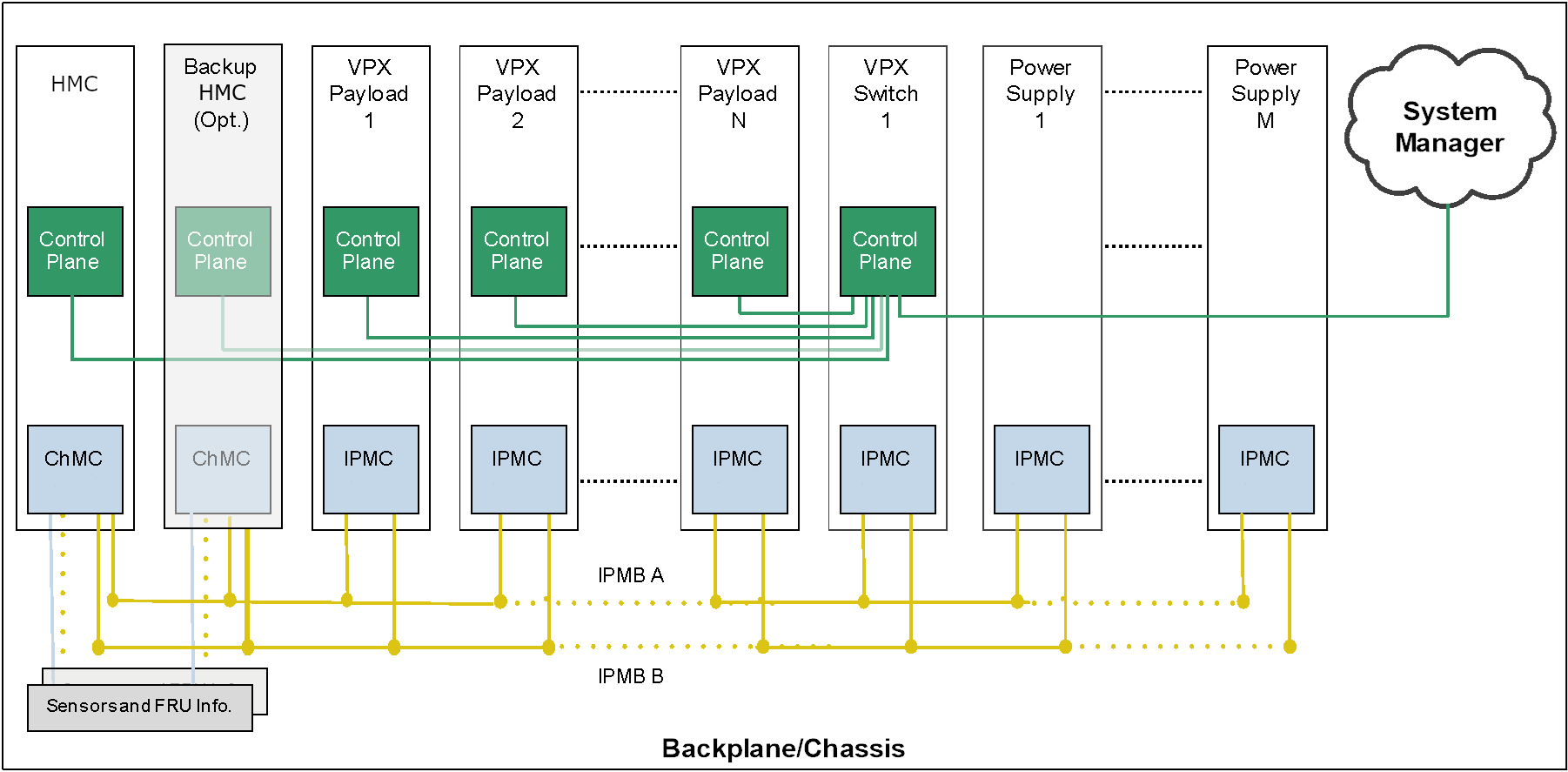
Da SOSA die Einbindung redundanter Chassis-Manager sowie separater Intelligent Platform Management Buses (IPMBs) ermöglicht, werden Bedenken hinsichtlich einzelner Ausfallstellen reduziert. Das bedeutet, dass bei einem Ausfall des Chassis Managers oder bei einem PIC-Ausfall, der einen IPMB blockiert, ein sekundärer Chassis Manager oder IPMB zur Verfügung steht, um das System am Laufen zu halten und möglicherweise sogar den Fehler zu beheben.
Der SOSA Chassis Manager bietet eine breite Palette von Funktionen, von der Lüftersteuerung und Temperaturmessungen sowohl an den PICs als auch im Gehäuse bis hin zur Durchführung von FRU-Inventarisierung, FRU-Wiederherstellung und Diagnosemanagement.
Was die Überwachung anbelangt, so kann der Chassismanager die Qualität der Stromschienen überwachen und Änderungen zwischen den Stromversorgungen steuern sowie den Zustand einzelner PICs und der darauf laufenden Anwendungen im Auge behalten sowie Hardwarefehler erkennen, melden und manchmal sogar korrigieren. Treten Probleme auf, kann der Chassis-Manager sogar die Schrittfrequenz der eingeschalteten und hochgefahrenen PICs kontrollieren.
Gesunde Systeme, abgestimmt auf SOSA
Da sich die Branche noch in den Anfängen der Bereitstellung SOSA-orientierter Systeme befindet, ist es ein wichtiger Aspekt der Entwicklung eingebetteter Systeme, zu verstehen, wie das Chassis-Management auf diesen Plattformen implementiert werden kann. Systemingenieure können dann die Signalintegrität, die Subsystemintegration und die Gehäusemanagementfunktionen mithilfe von Standardsystemen testen, die auf diesen neuen Architekturstandard abgestimmt sind.
Das an SOSA ausgerichtete Gehäusemanagement bietet eine standardisierte, sichere und interoperable Grundlage für eingebettete Systeme. Es ermöglicht eine Zustandsüberwachung in Echtzeit, robuste Redundanz, die nahtlose Integration von Komponenten verschiedener Anbieter sowie eine optimierte Systementwicklung und -bereitstellung.
FAQs
Das Gehäusemanagement bezieht sich auf eine Reihe von Überwachungs-, Steuerungs- und Diagnosefunktionen, die den Systemzustand, die Stromversorgung, die Kühlung und den Ressourcenstatus in einem eingebetteten System überwachen. In SOSA-orientierten Systemen wird das Gehäusemanagement in der Regel unter Verwendung des VITA 46.11-Standards implementiert.
Das Gehäusemanagement bietet Transparenz und Kontrolle über die Systemkomponenten und ermöglicht so die frühzeitige Erkennung von Fehlern, eine bessere Strom- und Temperaturkontrolle sowie eine verbesserte Gesamtzuverlässigkeit. Bei SOSA-orientierten Systemen, bei denen Interoperabilität und langfristige Aufrechterhaltung von entscheidender Bedeutung sind, hilft das Gehäusemanagement dabei, eine konsistente Systemleistung sicherzustellen.
Der VITA 46.11-Standard definiert Gehäusemanagementfunktionen für OpenVPX- und SOSA-ausgerichtete Chassis. Er legt fest, wie verschiedene Systemzustand- und Umgebungsparameter über Standardschnittstellen überwacht, gesteuert und protokolliert werden.
Das Gehäusemanagement überwacht die Temperatursensoren und kann die Lüfterdrehzahlen anpassen, Alarme auslösen oder bei Überschreitung von Schwellenwerten Korrekturmaßnahmen ergreifen, um die Komponenten innerhalb sicherer Betriebsbereiche zu halten.
Es verfolgt den Stromverbrauch aller Module und Stromversorgungen und hilft so dabei, Überstrom- oder Unterspannungsbedingungen frühzeitig zu erkennen, Stromlasten auszugleichen und die Systemstabilität aufrechtzuerhalten — insbesondere in Umgebungen mit hoher Leistung oder Leistungsempfindlichkeit.